
In recent years, the demand for specialist healthcare services has risen, making establishments like a gastroscopy clinic in Singapore pivotal for those seeking comprehensive digestive health assessments. A gastroscopy clinic offers diagnostic procedures that allow for the examination of the upper gastrointestinal tract, including the oesophagus, stomach and the first part of the small intestine.
The Importance of Gastroscopy
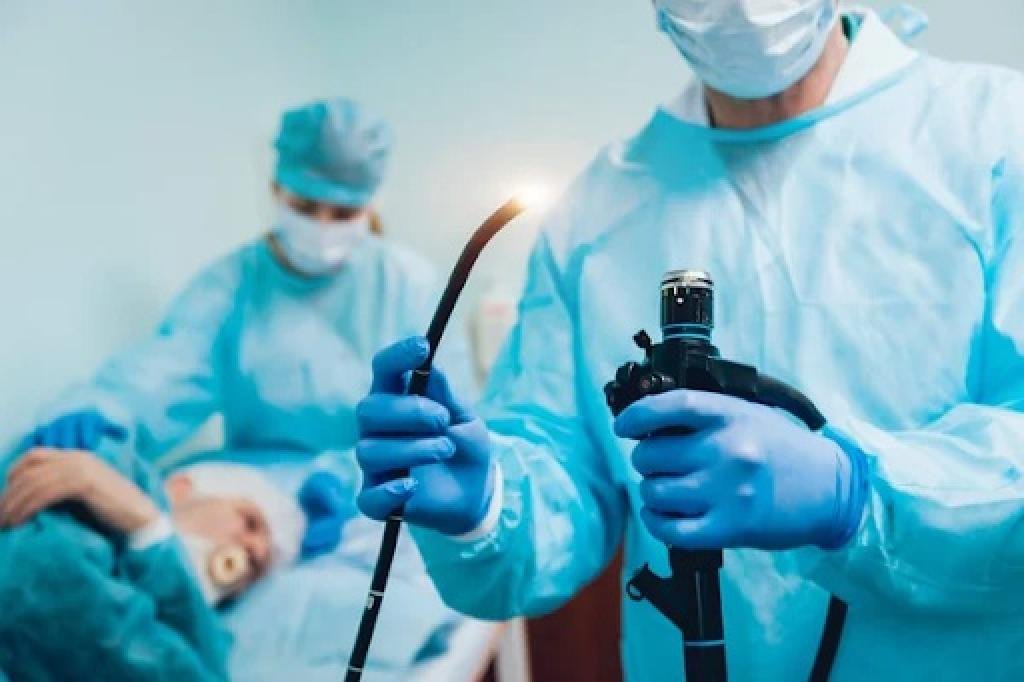
Gastroscopy, also known as upper endoscopy, is a crucial procedure in gastroenterology. It allows doctors to visually examine the upper digestive system, identifying potential issues such as chronic acid reflux, gastritis, peptic ulcers and even early signs of stomach cancer. The procedure involves using a flexible endoscope equipped with a camera and light to capture high-resolution images of the oesophagus, stomach, and duodenum. Specialists can also take tissue samples, or biopsies, for further analysis.
Gastroscopy is essential for diagnosing conditions that may not appear on standard imaging tests like X-rays or ultrasounds. For patients experiencing persistent gastrointestinal symptoms, this procedure offers an accurate and minimally invasive way to identify underlying causes and guide treatment.
Common Reasons for Gastroscopy Referrals
Patients are usually referred to gastroscopy clinics when symptoms indicate potential upper GI disorders. Common reasons include:
- Persistent stomach pain or discomfort, especially after meals
- Chronic heartburn or acid reflux that does not improve with medication
- Difficulty swallowing or a sensation of food getting stuck
- Unexplained anaemia or gastrointestinal bleeding
- Suspected peptic ulcers or inflammation in the stomach lining
- Monitoring conditions such as Barrett’s oesophagus or gastritis
By addressing these concerns early, gastroscopy can prevent complications and support timely intervention, improving patient outcomes.
Benefits of Gastroscopy Clinics in Singapore
Specialized gastroscopy clinics in Singapore provide several advantages that enhance patient care and diagnostic accuracy. These benefits include:
Targeted Diagnosis: Gastroscopy allows direct visualization of the upper GI tract, helping detect abnormalities such as inflammation, ulcers, polyps or early-stage cancers.
Minimally Invasive Procedure: Most gastroscopies are outpatient procedures, requiring little discomfort and no hospitalization. Sedation ensures patient relaxation throughout the process.
Rapid Results and Management: Clinics can perform biopsies during the procedure, enabling faster diagnosis and quicker development of personalized treatment plans.
Comprehensive Care: From initial consultation to follow-up treatments, gastroscopy clinics offer a holistic approach to digestive health management.
These specialized services ensure patients receive timely, accurate and efficient care.
Preparing for a Gastroscopy
Proper preparation is essential for an effective and safe gastroscopy. Patients are generally required to fast for six to eight hours before the procedure to ensure the stomach is empty. It is also important to inform healthcare providers about all medications being taken, as certain drugs may need to be paused temporarily.
Most gastroscopies are performed under local anaesthetic spray to numb the throat, and sedation may be offered to ensure comfort. Understanding these preparations can help reduce anxiety and ensure a smoother procedure.
What to Expect During the Procedure
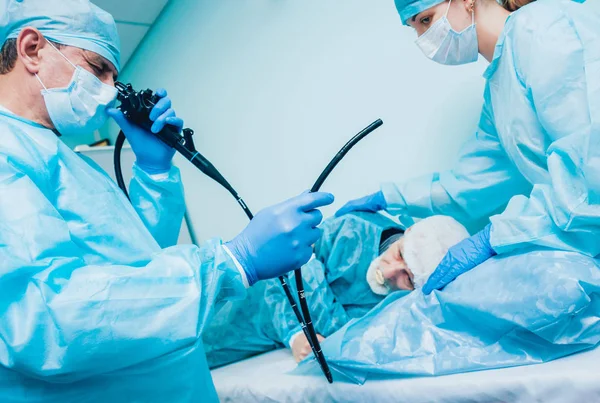
During the gastroscopy, patients lie on their side while the endoscope is gently guided through the mouth into the oesophagus, stomach and duodenum. The procedure typically takes 15 to 30 minutes. Throughout, medical staff continuously monitor vital signs to maintain safety.
The endoscope captures real-time images, allowing the gastroenterologist to examine the digestive lining and identify any abnormalities. If necessary, tissue samples may be collected for biopsy to aid in diagnosis.
Post-Procedural Care and Recovery
After the procedure, mild throat irritation, bloating, or temporary discomfort may occur but usually resolve quickly. Sedation effects mean patients should arrange for someone to accompany them home.
Biopsy results are typically available within a few days, allowing prompt discussions about treatment plans or further medical interventions. Adhering to post-procedure care instructions ensures a smooth recovery and minimizes complications.
Risks and Considerations
Gastroscopy is generally safe, but like all medical procedures, it carries some risks. Rare complications include bleeding, infection or perforation of the GI tract. These risks are minimal when performed by trained gastroenterologists in well-equipped clinics.
Effective communication between patients and healthcare providers is crucial. Discussing symptoms, medical history, and concerns before the procedure ensures the safest and most accurate results.
Emerging Trends in Gastroscopy
The field of gastroscopy continues to evolve with technological advancements improving both patient comfort and diagnostic precision. Innovations such as capsule endoscopy, which involves swallowing a small camera to visualize the GI tract, are complementing traditional methods.
Other emerging technologies focus on enhanced imaging and AI-assisted diagnosis, allowing for earlier detection of abnormalities and personalized treatment approaches.
The Role of Expert Healthcare Professionals
While technology is vital, the expertise of gastroenterologists is equally important. In Singapore, these specialists undergo extensive training and adhere to strict professional standards, ensuring high-quality, patient-centred care. Choosing a clinic with experienced doctors and advanced equipment helps guarantee optimal outcomes for digestive health assessments.
Conclusion
Undergoing a gastroscopy may seem intimidating, but understanding the procedure and its benefits can reduce anxiety and improve patient confidence. Gastroscopy clinics in Singapore are essential for the early detection and management of upper GI disorders, providing expert evaluation, minimally invasive procedures and personalized care. By offering accurate diagnosis and timely treatment, these clinics play a pivotal role in safeguarding digestive health and enhancing overall well-being.