

Maintaining clean and healthy indoor air is a crucial aspect of home and building comfort that is often overlooked. Heating and cooling systems do more than regulate temperature; they significantly impact the quality of the air we breathe daily. Proper ventilation ensures that pollutants, allergens, and excess moisture do not accumulate, which can prevent long-term health problems and structural issues in a building.
Air circulation plays a vital role in distributing conditioned air efficiently, reducing hotspots, and keeping humidity levels in check. When ventilation is insufficient, even a well-maintained heating or cooling system can struggle to maintain a truly healthy environment.
Table of contents [Show]
-
Guide to Indoor Air Health
- How Ventilation Supports Indoor Air Quality
- The Impact of HVAC Design on Air Circulation
- The Relationship Between Ventilation and Humidity Control
- Ventilation Solutions for Energy Efficiency
- Common Challenges in Maintaining Ventilation
- Benefits of Balanced Ventilation
- Integrating Ventilation into Everyday Maintenance {
Guide to Indoor Air Health
How Ventilation Supports Indoor Air Quality
Ventilation is the key to preventing the buildup of airborne contaminants that can affect both comfort and health. Homes and buildings often accumulate dust, pollen, mold spores, and volatile organic compounds, which can exacerbate respiratory conditions or cause headaches and fatigue. By bringing in fresh outdoor air and expelling stale air, ventilation dilutes these pollutants and helps maintain a safer indoor environment.
Additionally, proper airflow helps prevent condensation on walls and ceilings, which reduces the risk of mold growth. Modern heating and cooling systems are designed to integrate with ventilation strategies, ensuring consistent air movement throughout the space. For instance, Semper Fi Heating and Cooling provides solutions that incorporate air exchange mechanisms to maintain cleaner air without sacrificing energy efficiency. This balance is essential for creating a living space that is both comfortable and healthy.
The Impact of HVAC Design on Air Circulation
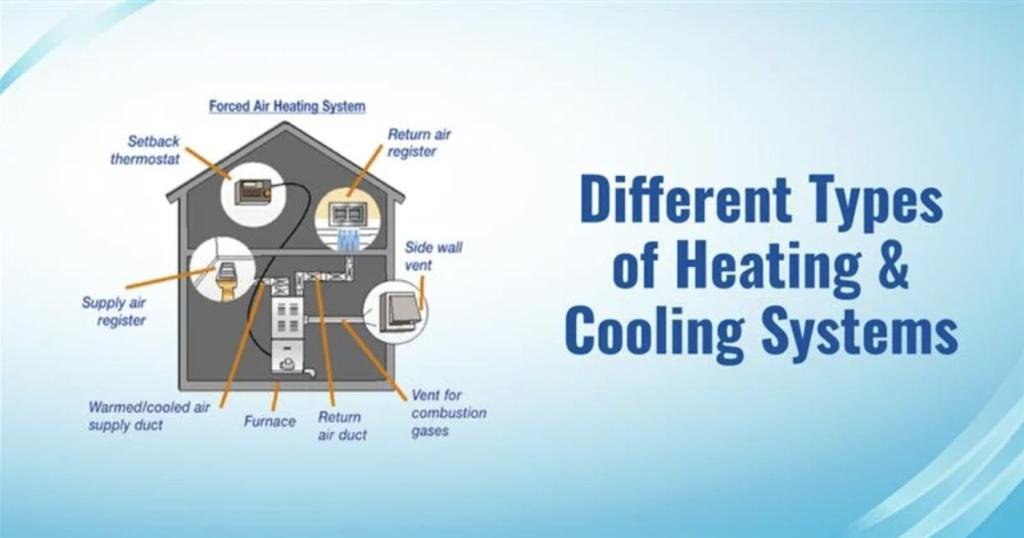
The layout and design of a heating and cooling system directly influence how effectively air circulates in a building. Ductwork must be carefully planned to deliver conditioned air evenly, while vents and returns need to be positioned to prevent stagnant zones. Poorly designed systems can lead to uneven temperatures, increased energy consumption, and pockets of poor air quality. Ventilation strategies work hand in hand with system design, ensuring that fresh air reaches every room while stale air is removed efficiently.
Filtration also plays a role, capturing particles before they recirculate, thereby reducing allergens and dust. The combination of thoughtfully designed ductwork, strategic vent placement, and proper air exchange enhances the ability of heating and cooling systems to maintain both comfort and health.
The Relationship Between Ventilation and Humidity Control
Humidity management is another critical factor that affects indoor air quality. Excess moisture can encourage mold and mildew growth, which releases spores that irritate the lungs and worsen allergies. On the other hand, air that is too dry can lead to dry skin, irritated sinuses, and static electricity. Heating and cooling systems that incorporate ventilation help maintain balanced humidity levels by exchanging indoor air with conditioned outside air.
Air handlers and dehumidifiers work in tandem with ventilation to remove excess moisture and stabilize the environment. Effective humidity control not only supports physical health but also protects furniture, electronics, and structural components from damage caused by moisture fluctuations.
Ventilation Solutions for Energy Efficiency
Ventilation is not solely about removing pollutants; it also plays a significant role in energy efficiency. Modern systems are designed to recover heat or coolness from exhausted air, minimizing energy loss while maintaining indoor air quality. Energy recovery ventilators, for example, transfer warmth from outgoing air to incoming air during colder months, reducing the workload on heating systems.
During warmer months, similar systems can pre-cool incoming air, which lowers the demand on air conditioning units. By balancing air quality and energy efficiency, these ventilation solutions provide both economic and environmental benefits. Homeowners and building managers can enjoy reduced utility bills while creating a healthier indoor environment.
Common Challenges in Maintaining Ventilation
Even with a well-designed system, maintaining proper ventilation remains challenging and can compromise air quality. Blocked ducts, dirty filters, or improperly sealed components can reduce airflow and allow contaminants to accumulate. External factors, such as high outdoor pollution or construction dust, may also impact indoor air unless proper filtration and air exchange are in place.
Regular inspections and maintenance are essential to prevent these issues from escalating. In some older buildings, retrofitting ventilation systems can be necessary to meet modern air quality standards. Addressing these challenges proactively ensures that heating and cooling systems continue to provide consistent airflow, reducing health risks and improving comfort.
Benefits of Balanced Ventilation
Balanced ventilation provides a continuous exchange of indoor and outdoor air, maintaining a stable environment free from excessive pollutants. This approach helps regulate temperature, humidity, and air freshness throughout the building. It also reduces odors, prevents carbon dioxide buildup, and minimizes airborne allergens. When ventilation is properly managed, heating and cooling systems can operate more efficiently, extending equipment life and reducing energy consumption.
A balanced system creates a healthier and more comfortable environment for occupants, supporting both physical well-being and overall productivity. Consistent air quality contributes to improved sleep, concentration, and general comfort in living and working spaces.
To achieve optimal air quality, homeowners and facility managers must integrate ventilation into routine maintenance. Regular cleaning of vents, filters, and ducts ensures that airflow remains unobstructed. Monitoring humidity and air quality indicators can identify potential issues early, allowing corrective measures to be taken before problems develop.
Education on the relationship between ventilation and indoor air quality is also important, as small adjustments, such as opening specific vents or using exhaust fans strategically, can make a noticeable difference. Maintaining these systems requires attention but yields significant long-term benefits for health, comfort, and building integrity.
Maintaining healthy indoor air is a critical aspect of building management that requires thoughtful ventilation strategies alongside heating and cooling systems. Ventilation ensures pollutants are removed, humidity is controlled, and air circulates efficiently throughout living and working spaces.
Proper system design, regular maintenance, and modern technological enhancements all contribute to an environment that promotes comfort and well-being. Long-term health benefits, energy efficiency, and structural protection are directly linked to the quality of air management in any building. By prioritizing ventilation, homeowners and facility managers can create spaces that support physical health, comfort, and lasting resilience in their indoor environments.