

The Importance of Swimming Skills
Swimming is a vital skill that provides an array of benefits extending far beyond the obvious ability to move through water. In the UK and many other countries, drowning remains one of the leading causes of accidental death among young children. Therefore, the ability to swim is pivotal for a child’s safety and can significantly reduce the risk of water-related accidents.
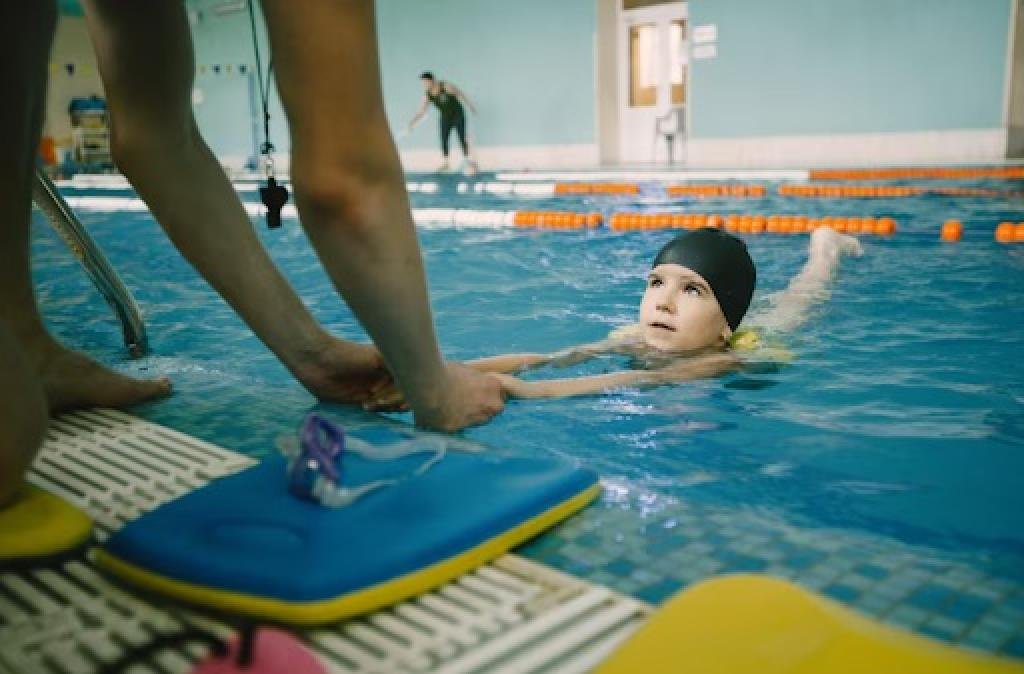
Enrolling children in swimming classes early not only instils confidence in the water but also teaches essential survival techniques. Many parents actively seek a swimming class for kids that provides structured lessons, experienced instructors, and a safe, supportive environment for young learners. From learning how to float and breathe properly to understanding how to react calmly in emergencies, these skills can be life-saving. Beyond safety, learning to swim encourages independence and resilience, as children conquer fears and gain mastery over a new environment.
Developmental Benefits
Learning to swim offers numerous developmental advantages. Physical development is perhaps the most apparent, as swimming provides a full-body workout that improves cardiovascular health, strengthens muscles, and enhances flexibility. The complex movements in swimming require coordination between arms, legs, and core, promoting overall motor development.
Swimming also supports cognitive growth. Children must focus on multiple tasks simultaneously, such as breathing rhythmically, coordinating strokes, and maintaining balance. This multitasking stimulates brain activity, fostering concentration, problem-solving, and spatial awareness. Studies have even suggested that early engagement in swimming can boost cognitive function and enhance learning abilities in other areas, providing a strong foundation for academic and personal growth.
Social and Emotional Growth
Beyond physical development, swimming classes play a key role in social and emotional growth. Group lessons encourage children to interact with peers, fostering teamwork, empathy, and communication skills. Children learn to cheer each other on, celebrate accomplishments, and provide support when others face challenges.
Emotionally, mastering a skill like swimming instils pride and boosts self-esteem. Progressing from assisted floats to independent laps across the pool gives children a tangible sense of achievement. This confidence often extends into other areas of life, empowering children to try new activities, face challenges, and develop a positive self-image.
Structured Lessons and Professional Guidance
Structured swimming classes provide a clear learning pathway, starting with fundamental water safety skills and advancing to refined strokes and techniques. Professional instructors tailor their teaching to each child’s ability, ensuring safety and promoting a supportive learning environment.
Experienced instructors are trained to be patient and encouraging, helping children overcome natural fears of water. They use games, songs, and playful exercises to make learning enjoyable, ensuring that each lesson builds competence while maintaining engagement. This structured approach allows children to develop skills progressively while fostering a lifelong appreciation for swimming.
Addressing Common Fears and Encouraging Safety
Many children exhibit a natural apprehension toward water, which can hinder their learning. Swimming classes address these fears by providing a controlled, safe environment where children can explore at their own pace. Through playful exercises, gradual exposure, and positive reinforcement, instructors help children build trust in their abilities and develop comfort in the water.
Safety is always the highest priority. Children are taught the dangers associated with swimming, including the importance of never swimming alone and understanding how to use pool safety equipment. These lessons empower children to act responsibly and confidently, not only in swimming pools but also in other aquatic environments such as beaches, lakes, and water parks.
Parent Involvement and Support
Parents play a crucial role in their child’s swimming journey. Many classes encourage parents to participate in early lessons, providing comfort and reinforcing safety messages delivered by instructors. Observing lessons allows parents to celebrate progress and encourage practice outside the classroom.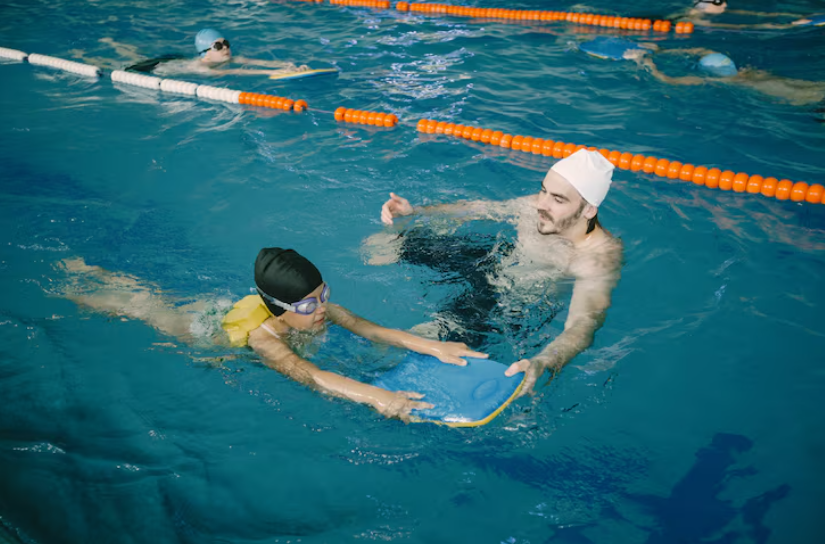
Swimming is also an excellent family activity. Parents and children can bond over pool sessions, combining fun with health benefits. Reinforcing skills at home or during family outings enhances retention and boosts a child’s confidence, turning swimming into a shared, lifelong habit.
The Impact of Consistent Practice
Consistency is essential in developing swimming proficiency. Regular attendance ensures that skills are reinforced and retained. Each lesson builds on the previous one, gradually enhancing stamina, technique, and overall comfort in the water.
Consistent practice also supports general fitness. Children who swim regularly tend to have better cardiovascular health, improved muscle tone, and higher energy levels. Furthermore, cultivating a habit of physical activity from a young age encourages a healthy lifestyle that can prevent obesity and instil lifelong wellness habits.
Customising the Approach
Every child learns at their own pace, and swimming classes are often tailored to meet individual needs. Some children require more time to become comfortable in water, while others advance rapidly. Instructors adapt teaching styles and lesson plans to keep each child engaged, motivated, and challenged.
For children with special needs, swimming can be especially beneficial. The buoyancy of water reduces stress on joints and allows greater freedom of movement, providing therapeutic benefits. Instructors trained in special needs education can modify activities to ensure that all children experience success and enjoyment, fostering inclusivity in the swimming environment.
Preparing for Competitions and Lifelong Enjoyment
As children progress, some may develop an interest in competitive swimming. Classes provide a strong foundation for these individuals by teaching advanced strokes, refining techniques and instilling discipline, commitment, and goal-setting skills.
For those not inclined toward competition, swimming remains a rewarding recreational activity that can be enjoyed at any age. Its low-impact nature, cardiovascular benefits, and stress-relieving properties make it ideal for lifelong participation. Children who develop a love for swimming early are more likely to continue engaging in the activity throughout adulthood.
Encouraging a Love for Water
At their heart, swimming classes aim to foster a love for water. By transforming fear into joy, instructors help children view aquatic environments as spaces for exploration, play and accomplishment. Whether enjoying a family beach day, excelling at school swimming galas, or savouring a calm solo swim, the skills learnt in childhood serve as a gateway to a lifetime of aquatic enjoyment.
Swimming classes for kids are more than lessons in technique or water safety—they are gateways to growth, confidence, social connection, and wellness. Through patient instruction, structured progression and consistent practice, children become not only safe swimmers but also empowered individuals ready to dive into life’s opportunities.