

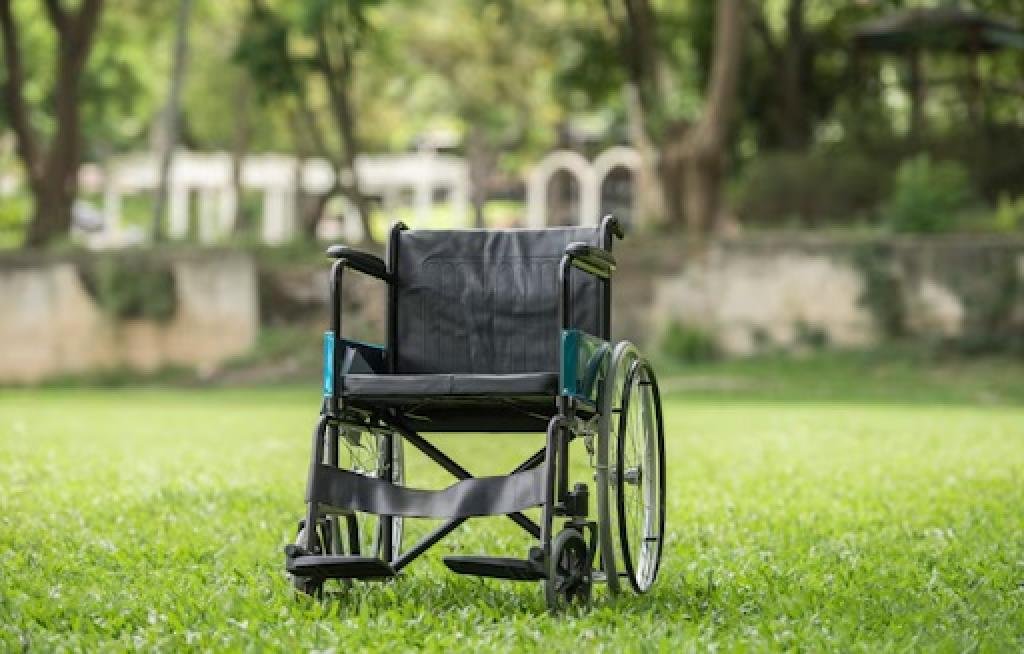
The Automated Wheelchair
These advanced mobility devices offer renewed independence and an enhanced quality of life by integrating state-of-the-art technology with everyday accessibility needs. Many families also rely on senior care products to support overall well-being, ensuring that elderly individuals can maintain comfort, safety, and independence at home. Automated wheelchairs can manoeuvre through various terrains and situations with remarkable ease, thanks to artificial intelligence, sophisticated sensors, and adaptive control systems. More than just mobility aids, they represent a significant leap forward in assistive technology, providing users with autonomy, confidence, and opportunities to engage fully in daily life.
The Technology Behind Automated Wheelchairs
Central to the operation of automated wheelchairs is artificial intelligence (AI). AI enables these devices to learn and adapt to the user’s preferences and the operational environment. Machine learning algorithms process data from various sensors—such as cameras, lidar, and GPS—to create predictive models for navigation, obstacle avoidance, and environmental adaptation. This intelligent system allows users to travel safely, even in unfamiliar or crowded spaces, and ensures that the wheelchair responds efficiently to dynamic conditions.
Sensor Integration
Sensors are pivotal to the functionality of Automated wheelchair. Equipped with an array of devices, these wheelchairs continuously gather information about their surroundings. Proximity sensors detect nearby obstacles to prevent collisions, while accelerometers provide crucial data on speed and orientation. Gyroscopes assist in maintaining balance and stability, especially when moving uphill or over uneven terrain. This sophisticated network of sensors ensures a smooth, safe, and responsive ride tailored to the user’s needs.
Adaptive Control Systems
Automated wheelchairs use advanced control systems to provide seamless and intuitive operation. Users can interact with the wheelchair via joystick controls, touch screens, and voice commands, depending on their abilities and comfort. These interfaces are designed for simplicity, allowing for the customisation of speed, sensitivity, and operational modes. Some models even feature adaptive driving systems that automatically adjust the level of assistance based on terrain and current conditions, ensuring maximum efficiency and user convenience.
Customisability and User Comfort
User comfort is a top priority in automated wheelchair design. Ergonomic seating, adjustable armrests, and customisable back support are standard features, ensuring that users remain comfortable during extended periods of use. Furthermore, the wheelchair’s overall setup can be personalised to suit daily routines and personal preferences, including seating height, tilt functions, and footrest adjustments.
Accessibility Features
Integration with smart home technology is another key advantage of automated wheelchairs. Many models can connect to household systems, enabling users to control lighting, heating, and appliances remotely. This level of integration fosters independence, allowing users to maintain full functionality in their homes and enhancing their overall quality of life.
Technological Barriers
Despite significant advances, automated wheelchair development faces ongoing challenges. Ensuring reliability across varying environmental conditions, such as wet or uneven surfaces, remains complex. Battery life and efficient power management are also critical concerns, as users need dependable energy for long-term mobility. Overcoming these challenges requires continuous research, presenting opportunities for technological breakthroughs that could further enhance performance and usability.
Future Potential
The future potential of automated wheelchairs is vast. As artificial intelligence continues to evolve, wheelchairs may feature even more sophisticated navigation systems capable of integrating with urban infrastructure, traffic data, and smart city technologies. These innovations could enable seamless travel through busy city streets, crowded public spaces, and complex indoor environments. Additionally, as production costs decrease, automated wheelchairs will become more accessible, empowering a broader population to benefit from these life-changing devices.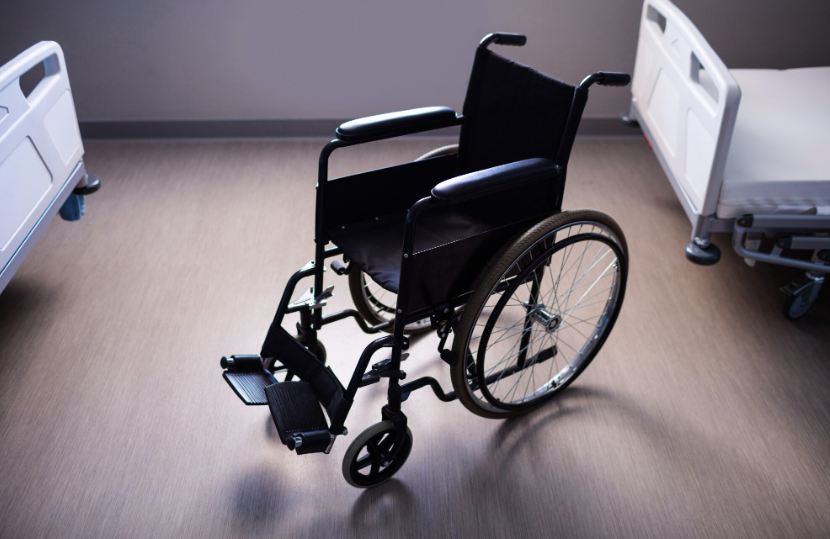
The Impact on Users’ Lives
The most profound impact of automated wheelchairs lies in the independence and enhanced quality of life they provide. Mobility limitations can lead to feelings of isolation and dependency, but these devices allow users to engage in social, professional and recreational activities previously hindered by physical barriers. The result is greater personal fulfilment and improved mental well-being.
Social Integration
Increased mobility promotes social inclusion. Users of automated wheelchairs can more easily participate in community events, visit friends and family, and take part in daily activities without assistance. This increased autonomy reduces social stigma, fosters confidence, and encourages broader societal acceptance of individuals with disabilities. By promoting independence, automated wheelchairs contribute to a more inclusive society.
Increasing Demand
The demand for automated wheelchairs is steadily rising due to growing awareness of their benefits and an ageing global population. Disability accessibility initiatives and inclusive design principles are driving interest in these advanced mobility solutions. Consequently, the market for automated wheelchairs continues to expand, stimulating innovation and competition among manufacturers.
Evolving Models and Pricing
Technological advancements are gradually making automated wheelchairs more affordable. As component costs decrease and manufacturing processes improve, these devices will become accessible to a broader audience. Manufacturers are also introducing newer models with enhanced features, such as improved battery efficiency, customizable interfaces, and advanced terrain adaptation, offering users greater choices in functionality, comfort, and style.
Regulatory Framework
Automated wheelchairs must comply with strict regulatory standards to ensure safety and performance. Regulatory bodies oversee materials, safety mechanisms and operational guidelines to protect consumers and maintain quality assurance. Adherence to these standards is essential for both user confidence and widespread adoption.
Ethical Implications
The reliance on AI and data-driven technology raises ethical considerations. Since automated wheelchairs collect extensive data to function effectively, maintaining user privacy and data security is crucial. Developers must ensure that personal information is protected and that ethical standards are upheld in AI-assisted mobility devices. Addressing these concerns is essential for building trust and promoting responsible innovation in assistive technology.
Conclusion
Automated wheelchairs represent a remarkable advancement in mobility technology. By integrating AI, sensor technology, ergonomic design and smart connectivity, they address the diverse challenges faced by individuals with limited mobility. Beyond improving independence and quality of life, these devices foster social inclusion and reshape societal perceptions of disability.
As technology continues to evolve, automated wheelchairs will become even more sophisticated, affordable and widely accessible. Their journey exemplifies the profound impact that innovation can have on individual lives, highlighting how thoughtful design and cutting-edge technology can make the world more inclusive, empowering, and equitable for everyone.