

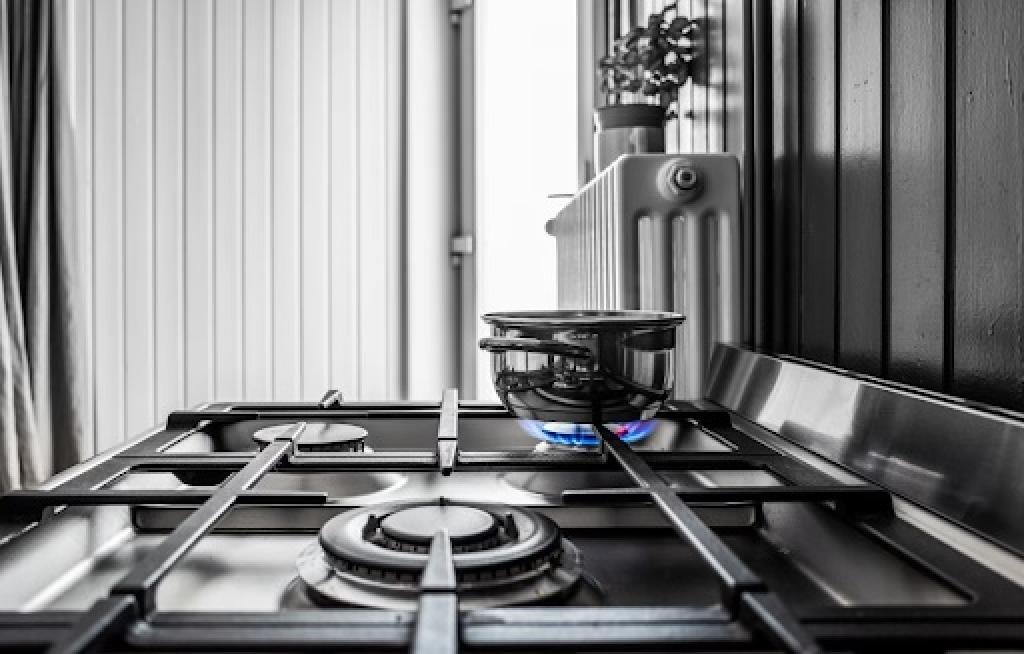
A gas hob is a reliable and familiar cooking appliance in many homes. It offers instant heat, precise control, and works with almost any type of cookware. However, like any appliance that involves gas and open flames, proper maintenance is essential. Regular care not only keeps your gas hob performing well but also plays a big role in household safety.
Maintaining a gas hob does not have to be complicated or time-consuming. Guidance from trusted brands such as Fujioh Singapore can help homeowners follow proper care practices that enhance safety, efficiency, and long-term performance. With the right habits and basic checks, you can extend its lifespan, improve cooking efficiency, and reduce the risk of accidents.
Table of contents [Show]
- Why Gas Hob Maintenance Matters
- Daily Cleaning Habits That Make a Difference
- Cleaning Burners and Burner Caps Properly
- Checking Flame Quality
- Keeping Igniters and Controls Clean
- Ventilation and Surrounding Areas
- Regular Inspections and Professional Servicing
- Using the Gas Hob Correctly
- When to Consider Replacement
- Conclusion
- FAQs
Why Gas Hob Maintenance Matters
A poorly maintained gas hob can lead to uneven flames, inefficient heating, and increased gas consumption. In more serious cases, blocked burners or faulty components can cause gas leaks or ignition problems.
Regular maintenance ensures that gas flows smoothly, burners ignite properly, and heat is distributed evenly. It also helps you spot small issues early, before they turn into costly repairs or safety hazards.
In a climate like Singapore’s, where cooking is often frequent, and kitchens may have limited ventilation, keeping your gas hob in good condition is especially important.
Daily Cleaning Habits That Make a Difference
Simple daily habits go a long way in maintaining your gas hob. After cooking, allow the hob to cool completely before wiping it down. Food spills, oil splashes, and sauces should be cleaned as soon as possible to prevent them from hardening.
Use a soft cloth or sponge with mild dishwashing liquid to clean the surface. Avoid abrasive scrubbers, as these can scratch the hob and damage protective coatings. For stainless steel surfaces, wiping in the direction of the grain helps maintain their appearance.
Keeping the hob clean daily prevents grease buildup, which can affect flame quality and make deeper cleaning more difficult later on.
Cleaning Burners and Burner Caps Properly
Burners are the heart of your gas hob, and they need special attention. Over time, food debris and grease can clog burner ports, leading to uneven flames or difficulty lighting the hob.
Remove the burner caps and soak them in warm water with a mild detergent. After soaking, gently scrub away residue using a soft brush or cloth. Make sure the burner ports are clear and not blocked.
Before reassembling, ensure all parts are completely dry. Moisture left behind can interfere with ignition and cause uneven burning.
Checking Flame Quality
A healthy gas flame should be steady and blue. Yellow or orange flames often indicate incomplete combustion, which may be caused by dirty burners or poor airflow.
If you notice irregular flames, flickering, or a persistent yellow colour, it is a sign that cleaning or adjustment is needed. Sometimes, a thorough cleaning resolves the issue. If not, it may be time to have a professional inspect the hob.
Ignoring flame issues not only affects cooking performance but can also increase carbon monoxide production, which is a serious safety concern.
Keeping Igniters and Controls Clean
Gas hobs rely on igniters to spark the flame. If igniters are dirty or wet, they may click continuously or fail to ignite the gas.
Gently wipe igniters with a dry cloth during regular cleaning. Avoid using excessive water around this area. Knobs and control panels should also be cleaned regularly, as grease buildup can affect their movement and responsiveness.
Smooth and responsive controls make cooking safer and more precise.
Ventilation and Surrounding Areas
Proper ventilation supports safe gas hob operation. Make sure your kitchen has adequate airflow, either through an exhaust hood or natural ventilation. This helps disperse heat, smoke, and combustion by-products.
Keep the area around the gas hob clear of flammable items such as paper towels, cloths, or packaging. A clutter-free cooking area reduces fire risk and makes daily cleaning easier.
Regular Inspections and Professional Servicing
Even with good daily care, gas hobs benefit from periodic professional checks. A trained technician can inspect gas connections, regulators, and internal components to ensure everything is functioning safely.
If you smell gas, hear hissing sounds, or notice ignition problems that cleaning does not fix, stop using the hob and contact a professional immediately. Gas-related issues should never be ignored or handled casually.
Scheduling regular servicing helps maintain efficiency and gives peace of mind, especially for older gas hobs.
Using the Gas Hob Correctly
Proper usage also contributes to maintenance. Use cookware that fits the burner size to avoid wasted heat and overheating surrounding areas. Flames should not extend beyond the base of the pot or pan.
Avoid spilling liquids onto burners while cooking. If spills occur, turn off the hob and clean once it is safe to do so. Using lids while cooking not only saves energy but also reduces splatter.

Small adjustments in cooking habits can significantly reduce wear and tear over time.
When to Consider Replacement
Even with good maintenance, gas hobs do not last forever. If repairs become frequent, parts are difficult to source or safety concerns arise repeatedly, replacement may be the better option.
Modern gas hobs often come with improved safety features, better efficiency, and easier-to-clean designs. Upgrading can improve both cooking experience and peace of mind.
Conclusion
Maintaining a gas hob is about more than keeping it looking clean. It directly affects cooking performance, energy efficiency, and household safety. With simple daily cleaning, regular checks, and professional servicing when needed, a gas hob can remain reliable for many years.
By paying attention to small details such as flame colour, burner cleanliness, and ventilation, homeowners can enjoy efficient cooking while reducing risks. A well-maintained gas hob supports a safer, smoother and more enjoyable time in the kitchen.
FAQs
How often should I clean my gas hob burners?
Light cleaning should be done weekly, while deeper cleaning is recommended once a month or whenever performance issues appear.
Is it normal for gas hob flames to turn yellow sometimes?
Occasional colour changes may happen, but persistent yellow flames usually indicate a problem that needs cleaning or professional inspection.
Can I use harsh chemicals to clean my gas hob?
It is best to avoid harsh or abrasive cleaners, as they can damage surfaces and components.
When should I call a professional for gas hob issues?
If you smell gas, experience ignition failures or notice irregular flames that do not improve after cleaning, contact a professional immediately.