

The Rise of Frozen Seafood
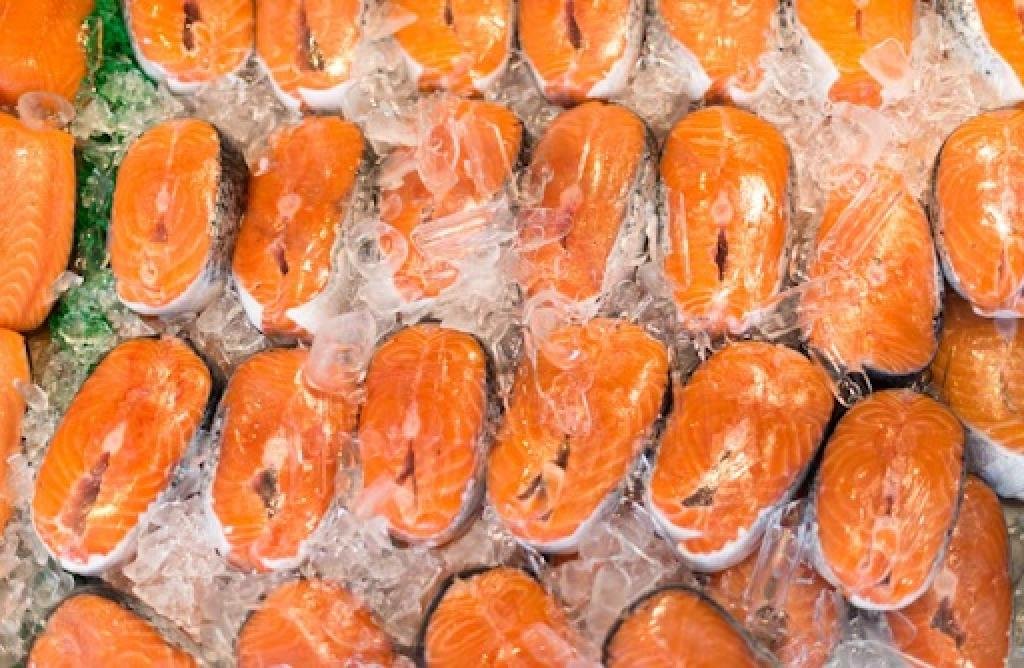
The vibrant food culture in Singapore extends far beyond its renowned hawker centres and Michelin-starred restaurants. Among the city-state’s many culinary offerings, frozen seafood has emerged as a popular choice for both home cooks and professional chefs. What was once considered a niche market is now a staple for many residents and expatriates. The growing popularity of frozen seafood can be attributed to several factors, including Singapore’s fast-paced lifestyle, increased awareness of food sustainability, and the wide variety of options now available. As technology, culinary trends, and consumer preferences evolve, frozen seafood has become an integral part of Singapore’s gastronomic scene.
However, the perception of frozen seafood has undergone a remarkable transformation in recent years. The availability of high-quality frozen seafood in Singapore has made it easier for consumers to enjoy a wide variety of seafood year-round without sacrificing freshness or taste. Technological advancements in freezing techniques, particularly flash freezing, have played a crucial role in this shift. Flash freezing preserves the texture, taste, and nutritional value of seafood, making it nearly indistinguishable from fresh counterparts. This method significantly reduces spoilage risks and extends shelf life, offering Singaporean consumers both convenience and quality without compromise.
Environmental Impact and Sustainability
Concerns over overfishing, environmental degradation, and climate change have influenced the growing preference for frozen seafood. Singapore, as a globally connected city, is highly aware of its ecological footprint. By choosing responsibly sourced frozen seafood, consumers can support sustainable fishing practices that minimize environmental impact. Many suppliers in Singapore now provide traceability for their products, ensuring that seafood comes from fisheries adhering to strict regulations. This trend reflects a broader global movement toward sustainability, where consumers actively seek products that are eco-friendly and ethically sourced, aligning everyday choices with long-term environmental responsibility.
Diversity and Variety
One of the most compelling aspects of Singapore's frozen seafood market is its sheer variety. From premium selections such as Alaskan king crab and Maine lobster to everyday staples like prawns, salmon, and squid, frozen seafood caters to a wide spectrum of culinary needs. Supermarkets and speciality stores stock both conventional and exotic options, enabling residents to prepare local favourites as well as international dishes with ease. Additionally, ready-to-cook frozen seafood products offer convenience without sacrificing quality, allowing busy individuals to create nutritious and gourmet meals even on tight schedules.
Convenience of Frozen Seafood
In a city synonymous with long work hours and fast-paced living, convenience is highly valued. Frozen seafood requires minimal preparation compared to fresh alternatives, which must be cleaned and cooked promptly to avoid spoilage. The ability to store seafood for longer periods provides flexibility for families and professionals balancing careers, education, and social commitments. Moreover, frozen seafood is available year-round, eliminating concerns about seasonal availability. This accessibility ensures that consumers always have high-quality ingredients on hand for a wide range of culinary creations.
Culinary Versatility
Frozen seafood is remarkably versatile, supporting a wide array of dishes and cooking styles. In Singapore, dishes like chilli crab, creamy fish curry, seafood dumplings, and prawn noodles can all be prepared using frozen alternatives without compromising taste or texture. Frozen seafood retains essential nutrients, including omega-3 fatty acids and proteins, making it an excellent choice for health-conscious consumers. Chefs and home cooks alike can experiment with both traditional recipes and modern innovations, confident that frozen seafood will deliver consistent results.
Economic Aspects
The cost of fresh seafood, particularly rare or imported varieties, can be prohibitive. Frozen seafood often presents a more economically viable option due to lower transportation and storage costs. Suppliers can purchase seafood in bulk during peak catch seasons and distribute it throughout the year at stable prices. For many middle-class households in Singapore, this economic factor makes frozen seafood a practical choice. It enables families to enjoy high-quality seafood regularly without placing undue strain on their budgets, bridging the gap between affordability and quality.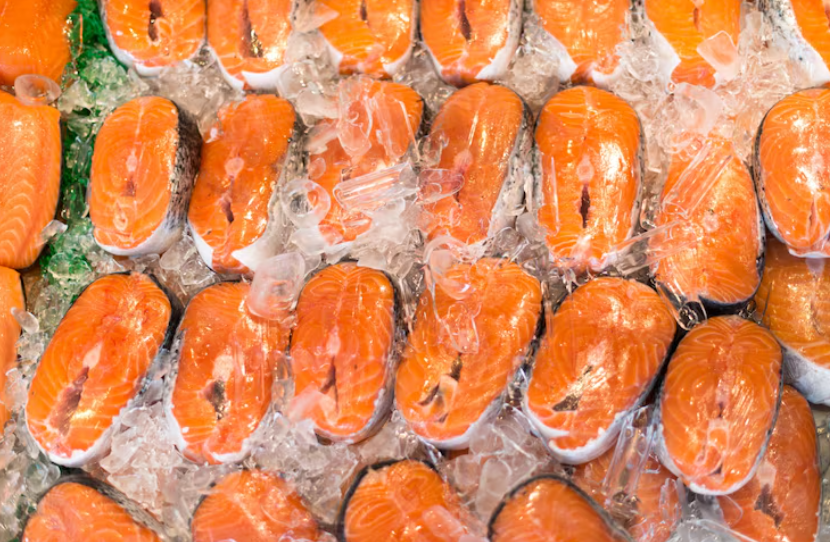
Food Safety and Standards
Singapore is renowned for its rigorous food safety regulations, and the frozen seafood industry is no exception. Comprehensive safety standards are in place to ensure that frozen seafood is free from contaminants and safe to consume. This includes regular inspections for chemical residues, mercury levels, and pathogens, as well as strict adherence to hygiene practices during processing and distribution. Consumers can thus enjoy frozen seafood with confidence, knowing that it meets some of the highest standards in the world.
Innovative Distribution Channels
The rise of e-commerce has transformed the frozen seafood market in Singapore. Many suppliers now offer online ordering and door-to-door delivery, preserving the cold chain to maintain freshness until the product reaches the consumer. These services are particularly valuable during peak periods, such as festive seasons, when traditional grocery shopping can be time-consuming. Online platforms also allow customers to compare prices, explore new products, and access speciality items that may not be available in nearby stores, further enhancing convenience and accessibility.
Health Implications
Frozen seafood provides numerous health benefits, making it an appealing choice for those focused on nutrition and wellness. Seafood is naturally rich in essential fatty acids, protein, and micronutrients that support cardiovascular health, cognitive function and overall well-being. Because flash freezing preserves these nutrients, frozen seafood is an excellent alternative to fresh options, ensuring that convenience does not come at the expense of health. It also supports balanced meal planning, allowing consumers to integrate seafood into their diets regularly.
The Future of Frozen Seafood in Singapore
The frozen seafood market in Singapore is poised for continued growth. As consumers become more aware of the environmental, health and economic benefits, demand is expected to rise further. Suppliers are likely to continue innovating with sustainable packaging, advanced freezing technologies, and premium offerings that cater to evolving tastes. Whether motivated by convenience, affordability, culinary exploration or sustainability, frozen seafood is set to remain an essential component of Singapore’s dynamic food culture. Its increasing popularity reflects broader trends in modern urban living, where quality, accessibility, and responsible consumption converge.
Conclusion
Singapore’s frozen seafood scene represents a blend of tradition, innovation, and convenience. From premium imported seafood to locally sourced, sustainably frozen options, this market caters to the diverse needs of modern consumers. Technological advancements have transformed perceptions, making frozen seafood a reliable, nutritious and versatile choice for households and professional kitchens alike. With ongoing innovation in sustainability, distribution, and culinary creativity, frozen seafood will continue to thrive as a vital part of Singapore’s culinary landscape, offering convenience, quality and health benefits in equal measure.