
Body contouring can sound like a simple way to change your silhouette, but deciding whether to pursue it involves medical questions, recovery planning, and realistic expectations. In Honolulu, Hawaii, the Urban Honolulu area had an estimated 341,868 residents in 2025, according to the Census Bureau. For anyone exploring cosmetic treatment, the important consideration is not how popular a procedure appears, but whether it matches their health, goals, and circumstances. Understanding the differences between available treatments is a useful place to begin.
Table of contents [Show]
- Understand What Body Contouring Can Actually Change
- Judge the Surgeon by More Than a Photo Gallery
- Know Why Weight Changes Affect Your Options
- Compare Surgical and Nonsurgical Treatments Carefully
- Make Recovery Part of the Decision
- Look at Risks and Costs Together
- Choose a Time That Supports Healing
- Decide With Realistic Expectations, Not Pressure
Understand What Body Contouring Can Actually Change
Body contouring describes several approaches to changing body shape rather than one standardized treatment. Surgical options can include liposuction, abdominal contouring, and procedures that remove excess skin from the arms, thighs, or lower body. Certain nonsurgical devices target smaller areas of fat or temporarily improve the appearance of skin.
These approaches solve different problems. Liposuction removes localized fat but is not designed to correct substantial loose skin. Surgery that removes excess skin involves incisions and generally a more demanding recovery. Nonsurgical treatments cannot achieve the same results as tissue-removal operations.
If you're considering body contouring, identify the specific change you want before choosing a technique. A clear description of your concerns gives a qualified clinician something useful to evaluate.
Judge the Surgeon by More Than a Photo Gallery
Photographs show selected results, not the full experience of undergoing surgery. Qualifications, relevant training, and how a practice handles complications deserve at least as much attention as aesthetic style.
If you're exploring body contouring experts in Honolulu, ask whether the provider routinely performs the particular procedure you need and whether it will take place in an appropriately equipped facility. Confirm applicable professional credentials, who will administer anesthesia, and how follow-up appointments and unexpected complications are managed. An impressive gallery cannot replace those answers.
A thoughtful consultation should include a review of your medical history, an examination, and an honest explanation of alternatives. Be cautious if the conversation moves immediately toward booking without addressing your health or expectations.
Skin does not always return to its previous shape after substantial weight loss. Its response depends on age, genetics, elasticity, and how long it has been stretched. Pregnancy can also leave changes in abdominal tissue that exercise alone may not reverse.
A procedure may address loose skin, localized fat, or abdominal muscle separation, but those goals require different techniques. Body contouring is not a weight-loss substitute, and the resulting appearance will still depend on your anatomy.
People often consider these procedures because of discomfort, clothing fit, or persistent changes in body shape. Those are valid subjects for a consultation, but no operation can guarantee that every concern about appearance will disappear. The best discussion begins with what is achievable for your body.
Compare Surgical and Nonsurgical Treatments Carefully
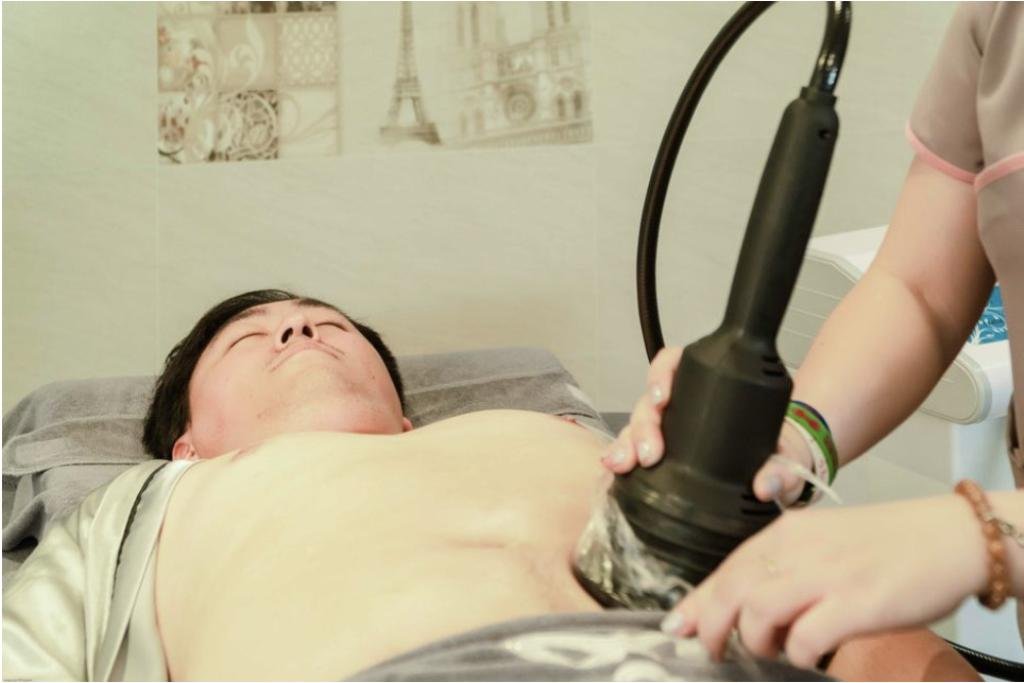
The word noninvasive can make a treatment sound risk-free. It is not. Cooling, heating, or other energy-based technologies may cause swelling, discomfort, burns, changes in skin sensation, or other complications, depending on the device and individual circumstances.
Information about noninvasive body contouring technologies explains the difference between procedures that change small fat deposits and operations that physically remove skin or fat. It also makes clear that device-based contouring does not treat obesity or provide the health benefits of weight loss.
Ask how long the proposed results typically last, whether repeat sessions may be needed, and which risks apply to your medical history. The least invasive option is not automatically the most suitable one.
Make Recovery Part of the Decision
Recovery requirements vary substantially between procedures. After surgery, you may experience swelling, bruising, tightness, and limits on bending or lifting. Some operations require dressings, temporary drains, or compression garments. Your clinician should explain what applies to your treatment rather than offering a generic recovery timetable.
Practical body contouring recovery guidance describes why wound care, follow-up visits, and gradual return to activity matter. Planning for transportation, household help, and time away from physically demanding work can reduce unnecessary strain.
Early changes in appearance do not necessarily represent the final result. Healing can continue for months, and following instructions is important even when you begin to feel better. Report concerning symptoms promptly rather than attempting to judge them from photographs online.
Look at Risks and Costs Together
Surgical body contouring can involve bleeding, infection, fluid collections, noticeable scars, poor wound healing, blood clots, and the possibility of further surgery. Your personal risk depends on the technique, your health, and other factors that should be discussed before consent.
Ask for an itemized estimate covering the procedure, anesthesia, facility charges, medications, garments, and follow-up care. Discuss what happens financially if additional treatment becomes necessary. Cosmetic procedures are often not insured, although coverage decisions can differ when there is a documented medical need.
The lowest advertised price tells you little about safety or the completeness of aftercare. Comparing detailed plans is far more useful than comparing headline figures alone.
Choose a Time That Supports Healing
A stable weight and manageable schedule can make planning easier. If you are still losing significant weight, anticipating pregnancy, or dealing with health concerns that affect recovery, your clinician may recommend postponement.
Discuss nicotine use, medications, supplements, previous procedures, and medical conditions openly. Some factors affect wound healing or anesthesia decisions, while nutritional deficiencies after major weight loss may require attention before surgery.
Consider everyday responsibilities, too. If you routinely lift children, travel for work, or have limited support at home, those details should shape the timing of your procedure. Recovery is an essential part of treatment, not an interruption that can simply be ignored.
Decide With Realistic Expectations, Not Pressure
A good outcome should fit your individual goals while respecting the limits of surgery and the realities of healing. Ask what the procedure can improve, what it cannot change, where scars may remain, and how aging or future weight fluctuations could affect results.
You should never feel obligated to commit because of a promotion, a deadline, or somebody else's preferences. Take your questions home, compare qualified opinions when needed, and give yourself room to decide against treatment.
Body contouring may offer meaningful changes for appropriately selected patients. The strongest decision, however, comes from understanding the options and accepting their trade-offs before taking the next step.