

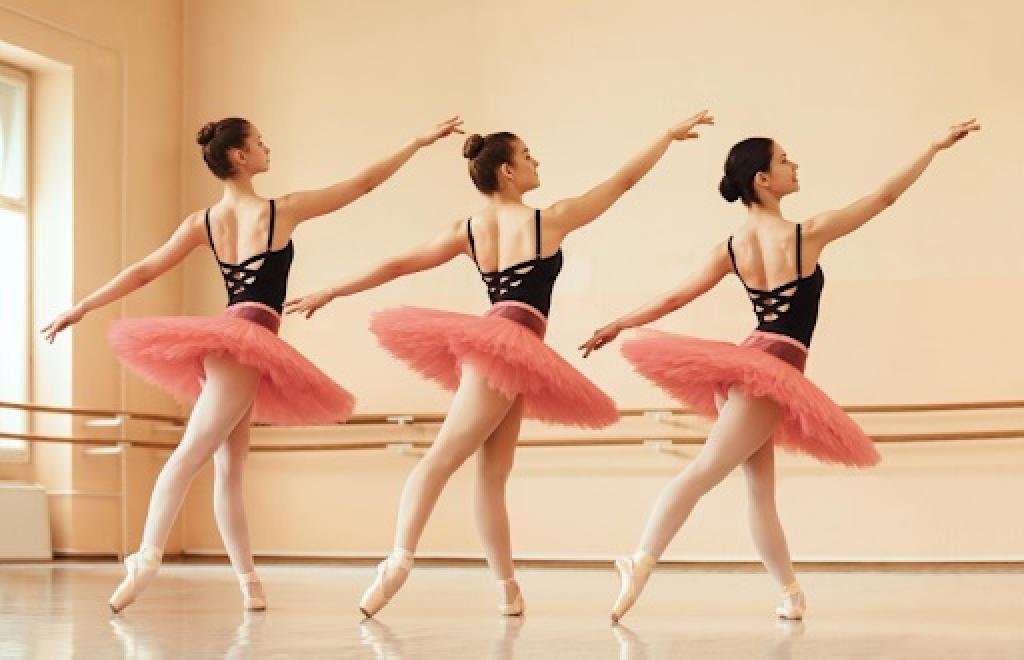
Ballet in Singapore
Singapore is home to a thriving arts scene that combines cultural diversity with world-class standards and the city-state's ballet schools stand as a testament to this harmonious blend. A ballet school in Singapore offers students a unique opportunity to engage with the art of ballet through a modern lens while respecting its traditional roots. This educational journey is enriched by the multicultural backdrop of Singapore, paving the way for a distinctive dance education experience that nurtures both technical skill and artistic expression.
While the history of ballet internationally stretches back centuries, its presence in Singapore began to take shape in the mid-20th century. This was a period marked by the establishment of various performing arts institutions that laid the groundwork for ballet's development. Early pioneers sought to introduce classical European techniques to local dancers while gradually fostering a unique Singaporean identity in dance. Over the decades, Singapore has seen the rise of both contemporary dance forms alongside classical ballet, creating a vibrant dance landscape that encourages innovation and fusion. Today, this rich history provides students with a strong foundation, connecting them to the global ballet tradition while inspiring local creativity.
Curriculum and Training at Singapore's Ballet Schools
Ballet schools in Singapore adhere to some of the most rigorous international standards, ensuring that students gain a comprehensive education in the discipline. Many adopt the Royal Academy of Dance (RAD) or the Commonwealth Society of Teachers of Dancing (CSTD) syllabi, which are globally respected frameworks that guide students through graded examinations. This structured approach not only covers technical proficiency but also emphasises musicality, performance, and artistic expression.
In addition to technique classes, students often receive instruction in allied dance forms such as contemporary, jazz, and even traditional Asian dance styles. This diversity in training prepares young dancers for professional environments that demand versatility and adaptability. Schools also place emphasis on performance opportunities, giving students the chance to showcase their skills in recitals, competitions and collaborative projects, fostering confidence and stage presence.
Notable Ballet Schools and Their Contributions
Several ballet schools in Singapore have made significant contributions to the arts community, each bringing its own flavour and expertise. Singapore Ballet Academy, for instance, is renowned for its longstanding history in nurturing classical ballet talent. Elsewhere, schools like Dancepointe Academy and City Ballet Academy offer diverse programmes that incorporate various styles and methodologies, fostering a broad skill set in their students.
These institutions frequently host workshops and masterclasses conducted by international guest artists, exposing local dancers to a global perspective. Such opportunities not only enhance technical skills but also provide valuable networking avenues in the international dance community. Through competitions and performances, students are introduced to the standards and expectations of the global stage, preparing them to pursue careers both locally and abroad.
Cultural Influence and Innovation
The cultural tapestry of Singapore undeniably influences its ballet scene. Students benefit from the city-state's intrinsic multiculturalism, which encourages a fusion of Western classical techniques with Asian artistry and storytelling. This integration leads to innovative performances that often reflect themes relevant to the local and regional context, fostering a dialogue between tradition and contemporary expression.
The ballet repertoire in Singapore has evolved over the years, incorporating original works that speak to Asian narratives while maintaining the elegance and precision of classical ballet. This trend underscores the adaptability and creativity present within the local ballet community. By blending traditional techniques with modern interpretations, choreographers and instructors continually push the boundaries of dance, allowing students to engage with the art form in meaningful and culturally resonant ways.
The Role of Ballet in Education
Beyond technical mastery, ballet education in Singapore plays a significant role in personal development. It instils discipline, perseverance and confidence—qualities that extend beyond the dance studio. Students learn the importance of teamwork, punctuality, and dedication, shaping them into well-rounded individuals equipped to face future challenges.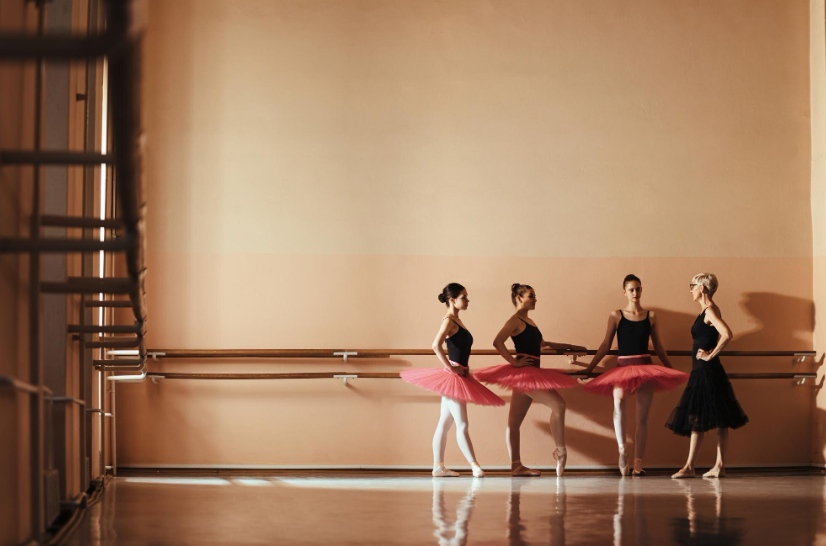
Moreover, the arts have been increasingly recognised for their cognitive and emotional benefits. Ballet, in particular, enhances coordination, memory, and spatial awareness, contributing positively to a child's overall educational experience. Through sustained practice and performance, students develop a deep appreciation for the arts, while simultaneously cultivating resilience, creativity and problem-solving skills that benefit them in academic and professional pursuits.
Community Engagement and Outreach
Ballet schools in Singapore also prioritise community engagement, often partnering with local organisations to promote the arts among diverse demographics. Outreach programmes aim to bring dance into the lives of those who might not otherwise have access to it, demonstrating ballet's universal appeal and accessibility.
These initiatives frequently involve collaborations with schools and community centres, facilitating dance workshops and performances that invite participation from non-dancers. Such efforts not only bolster community spirit but also nurture an inclusive appreciation for the arts. By exposing young people and adults alike to ballet, these programmes cultivate cultural awareness and inspire a new generation of dancers, audience members, and arts advocates.
Professional Opportunities and Career Paths
Graduates of Singaporean ballet schools find themselves well-prepared for an array of professional avenues. Some pursue careers as performers with renowned dance companies either in Singapore or abroad, while others move into choreography, teaching or arts administration. This breadth of possibilities reflects the robustness of the training they receive, equipping them with the skills necessary to excel in various capacities within the arts sector.
Challenges and Opportunities Ahead
Despite its successes, the ballet landscape in Singapore faces certain challenges, notably the need for sustainable funding and resources to support its growth. The precarious nature of arts funding can impact programme development and access to facilities, making consistent support crucial for future progress.
However, these challenges also present opportunities to innovate and adapt. The growing interest in interdisciplinary arts, digital platforms, and virtual performances offers new avenues for engagement, allowing the dance community to reach wider audiences. Technology can complement traditional training, expand the visibility of student performances and foster collaborations across borders, ensuring that Singapore remains at the forefront of artistic innovation.
Conclusion
In summary, ballet schools in Singapore play a crucial role in nurturing talent and fostering an appreciation for the performing arts. Through rigorous training, cultural integration, and community outreach, they continue to cultivate a generation of dancers who are both grounded in tradition and open to innovation. As the ballet scene evolves, it promises an exciting future for aspiring dancers and audiences alike, navigating the interplay between heritage and contemporary creativity. Singapore's commitment to the arts ensures that ballet remains a dynamic, inclusive and inspiring force, enriching both individual lives and the broader cultural landscape.